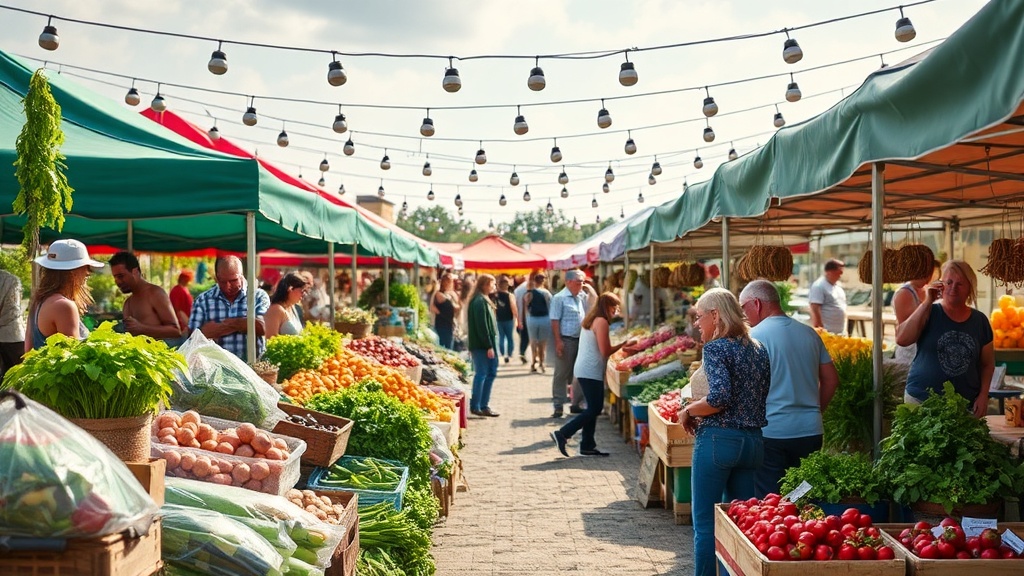
Finding Hidden Gem Farmers Markets

Quick Tip
Arrive early in the morning to secure the best selection of fresh seasonal produce.
Did you know that nearly 70% of consumers prefer buying produce that was harvested within 24 hours of purchase? This post explores how to track down the best small-scale farmers markets across the region to ensure you're getting that peak freshness. We'll look at the best times to visit, what to look for in seasonal-specific produce, and how to avoid the crowds.
Where Can I Find the Best Local Produce?
The best local produce is typically found at small, producer-only markets rather than large-scale commercial festivals. For those in our area, checking the Ontario food safety guidelines can give you an idea of the standards to look for in vendor certifications. While big grocery chains are convenient, they can't compete with the direct-from-farm quality of a roadside stall.
I've noticed a trend where the smallest markets—the ones with just five or six vendors—often have the highest quality honey and heirloom vegetables. It's a bit of a gamble, but the payoff is usually worth it. If you're hunting for specific items, you might want to check out my previous post on finding the best seasonal fruit.
What Should I Bring to the Market?
Always bring reusable bags and a bit of extra cash for the best experience. Many small-scale farmers operate on a cash-only basis—especially if they are traveling from a distance—and even if they take cards, the signal can be spotty in rural areas. It's also smart to bring a cooler bag if you're planning on buying dairy or meat.
- Insulated Totes: Keeps your greens from wilting in the sun.
- Canvas Bags: Much better for the environment than plastic.
- Small Change: Makes transactions much faster for the vendor.
- Water Bottle: You'll likely be walking a lot more than you think.
How Do I Know if the Produce is Actually Fresh?
Look for produce that still has a bit of "dirt" on it or shows minimal bruising. Truly fresh vegetables often have a slight weight to them that indicates high water content. If you see a vendor selling heirloom tomatoes that still have a slight scent of the vine, you've hit the jackpot.
Don't be afraid to ask questions. A real farmer will be happy to tell you exactly when that kale was picked. If they can't give you a straight answer, move on to the next stall. You're looking for transparency, not just a sales pitch.
"The best way to support a local economy is to buy directly from the person who grew the food."
Worth noting: many farmers also sell artisanal goods like sourdough bread or local honey. If you find a vendor with a great product, try to grab a bit of their specialty—it's often better than anything you'll find in a standard supermarket.